


Retail

US retail body reports higher imports, sales growth and early back-to-school season
US retailers are increasing imports ahead of potential tariff changes, while retail sales continued to grow in June and consumers started their back-to-school shopping earlier than usual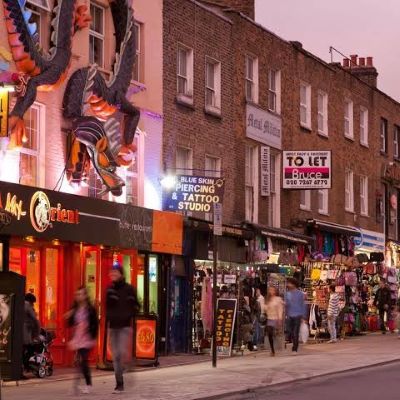
UK retail footfall falls in June amid heatwave
UK retail footfall fell in June as record high temperatures discouraged shoppers from visiting stores, according to the British Retail Consortium (BRC). High streets recorded the steepest decline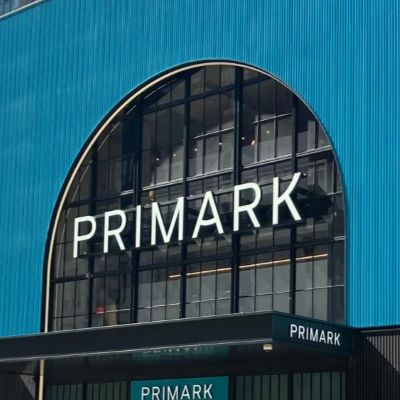
Primark reports sales growth in the third quarter despite retail headwinds
The UK-based fashion retailer has reported a 4% increase in third-quarter revenue, supported by new stores, despite weaker consumer demand across several key markets
Netherlands Retail: Confidence gap widens, footwear lags
Recent developments in the Dutch retail market reveal an increasing gap. Although consumer confidence has deteriorated sharply, retailers remain positive and footwear imports have shown resilience. Yet, footwear continues to lag behind the broader retail sector, facing weaker demand, persistent price pressure, and inconsistent sales. Meanwhile, online retail remains structurally strong, reflecting the ongoing shift in consumer purchasing behaviour
US retail sales continue to rise
According to the CNBC/NRF Retail Monitor, powered by Affinity Solutions, retail sales rose for the eighth consecutive month in May, despite high gas prices and ongoing inflation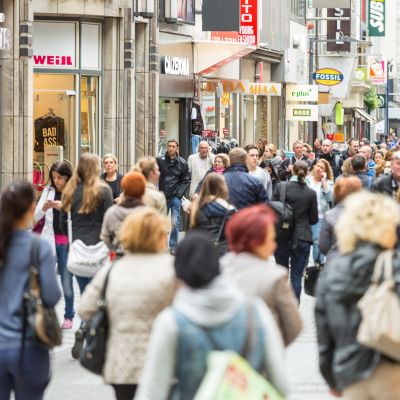
German fashion market holds steady in 2025 despite economic uncertainty
Despite ongoing economic uncertainty, the fashion and accessories market in Germany remained stable in 2025, generating 58.5 billion euros in sales, a modest increase compared to the previous year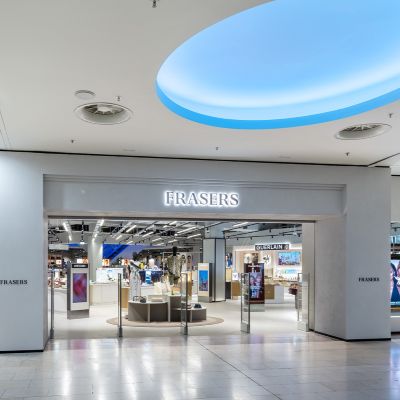
Frasers Group launches offers for Hugo Boss and Accent
The UK-based conglomerate is seeking full control of the Australian retailer Accent Group and a larger stake in Hugo Boss through two separate takeover offers announced this month
Saks Global secures court approval for bankruptcy restructuring
The US multi-brand luxury retailer has secured court approval for its restructuring plan. This positions Saks Global to emerge from Chapter 11 with almost 75% less debt and broad creditor support
USA-Iran Conflict: Footwear Industry Prepares Strategic Shifts in Suppliers and Logistics Routes
According to the latest World Footwear Business Conditions Survey conducted in April 2026, the ongoing instability arising from the geopolitical tension between Iran and USA is forcing a significant majority of the industry to re-evaluate its operational strategies
Rising Geopolitical Risks Drive Footwear Costs Higher
Rising geopolitical tensions are expected to impact the global footwear industry mainly through higher costs rather than an immediate decline in consumer demand, according to the latest World Footwear Business Conditions Survey
USA - Iran Tensions seen as Rising Risk for Global Footwear Industry
The conflict between the United States and Iran is increasingly viewed as a material risk for the global footwear industry, according to the results of the Spring 2026 edition of the World Footwear Business Conditions Survey

UK consumer sentiment experiences biggest quarterly fall since summer 2022
According to PwC’s latest Consumer Sentiment Survey, global geoppolitical events have dented consumer confidence, which has fallen to its lowest level since autumn 2023 and at the fastest quarterly rate since June 2022
Retail Flash: end-2025 insights from key footwear markets
Explore the main retail dynamics across France, Germany, Japan, the Netherlands, the UK, the US and Spain, including end-2025 insights and early-2026 signals, highlighting online outperformance in France and Spain, persistent footwear weakness in Germany, and import-cost pressure in Japan and the US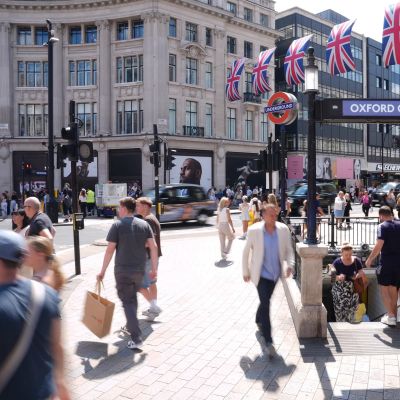
UK retailers warn of rising costs amid Middle East conflict
Amid growing concerns over the economic impact of the Middle East conflict, the British Retail Consortium has called on the UK government to ease mounting cost pressures on retailers-
-

World Footwear Public Calendar
Click here to subscribe an updated version of the calendar displaying the footwear trade shows.
-
-

-

Media Partners
Media Partners
-

SERMA

Shoe Intelligence

La Conceria

MPA Style