


International Trade

EU–Mercosur: A Practical Guide for the Footwear Cluster
World Footwear’s new guide is designed to help companies on both sides of the Atlantic examine what the agreement could mean for the products they sell, source and manufacture
EU–Mercosur: What Does the Agreement Mean for the Footwear Industry?
The EU–Mercosur trade agreement is now in effect. A new World Footwear study examines the implications of the agreement for companies in the footwear, components, leather goods, and hides and leather sectors
Pakistan: footwear exports decline despite leather footwear growth
Pakistani footwear exports declined slightly in value in the first two months of the 2026-2027 fiscal year, as a sharp contraction in the other footwear segment offset growth in leather and canvas footwear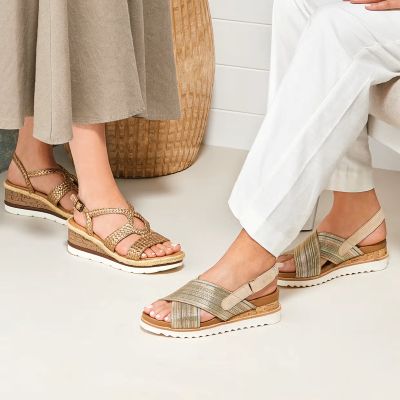
German footwear sales remain subdued in the first half
The footwear market in Germany remained subdued in the first half of 2026, as weaker domestic sales and declining employment continued to put pressure on manufacturers
Brazilian footwear exports remain under pressure
Brazilian footwear exports continued to decline in August, with falls in both volume and value. Year-to-date figures also remained negative, while imports continued to increase
Average worldwide footwear export price reached $11.65 per pair
JUST RELEASED: In 2025, rising export prices continue to underpin global footwear trade, as reveled by the new World Footwear Yearbook 2026 recently released by APICCAPS, the Portuguese Footwear Association
Global footwear exports remain stable despite slight contraction
JUST RELEASED: Global footwear trade remained broadly stable in 2025, but subtle shifts between Asia and Europe reveal important changes beneath the surface. Check all details in the new World Footwear Yearbook 2026 recently released by APICCAPS, the Portuguese Footwear Association
Brazil posts first trade deficit in footwear since 1997
Continued rising imports and declining exports have pushed the Brazilian footwear industry into its first trade deficit in July since records began in 1997
Asia accounts for 56% of global footwear consumption
JUST RELEASED: The geography of footwear consumption is evolving, with Asia consolidating its dominance. Check all details in the new World Footwear Yearbook 2026 recently released by APICCAPS, the Portuguese Footwear Association
24.6 billion pairs: global footwear production in 2025
JUST RELEASED: In 2025, global footwear production remained broadly unchanged, recording a marginal increase of 0.1% to a total of 24.6 billion pairs, according to data from the World Footwear Yearbook 2026 recently released by APICCAPS, the Portuguese Footwear Association
Global footwear production holds steady in 2025
JUST RELEASED: In 2025, global footwear production remained virtually unchanged, recording a marginal increase of 0.1% to a total of 24.6 billion pairs, according to data from the World Footwear Yearbook 2026 recently released by APICCAPS, the Portuguese Footwear Association. This follows a revised estimate for the production figures in 2024, which now indicates a robust growth of nearly 10% for that year. While international trade volume saw a slight dip of 0.1%, the total value of exports rose by 1.6%, reaching 172 billion dollars
US imposes additional 50% tariffs on selected Canadian imports
The United States has announced an additional 50% tariff on selected Canadian imports worth almost 20 billion US dollars. The new tariffs are set to take effect on the 19th of August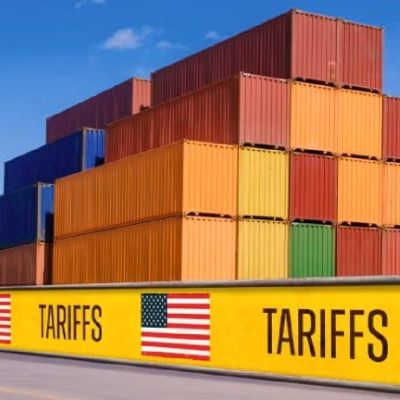
US introduces new tariffs on imports from 60 trading partners
New tariffs of 10% to 12.5% have been introduced by the Trump administration on imports from 60 trading partners under Section 301 of the Trade Act of 1974, replacing temporary duties that expired on 24 July
Italian footwear turnover falls by 2.7% as exports weaken
The Italian footwear sector experienced a slowdown in exports in the first quarter of 2026, with turnover declining by 2.7%, despite a modest recovery in domestic consumption
Assomac calls for stronger supply chain coordination
Italy’s technology sector for footwear, leather goods and tanning contracted again in 2025, prompting Assomac to call for stronger supply chain links and coordinated industrial policy-
-

World Footwear Public Calendar
Click here to subscribe an updated version of the calendar displaying the footwear trade shows.
-

-

-
Media Partners
Media Partners
-

UNIT Publishing House

La Conceria

Revista del Calzado

ARS ARPEL