

Consumption
2021: global footwear market recovers from the pandemic but is still far from an all-time high
In 2021 footwear production and exports grew by 8.6% and 7.4%, respectively. Data are taken from the World Footwear 2022 Yearbook just released by APICCAPS, the Portuguese Footwear Association. Global footwear production exceeded the 22 billion pairs threshold but is still below pre-pandemic levels. Last year 13 billion pairs were exported worldwide, representing a partial recovery from the drop registered in 2020 but remaining below that of any other year in the last decade
Sustainability by Catarina Midby: we have to change now
Today we bring you an interview with Catarina Midby, expert in Communication and engagement in fashion, sustainability and innovation. With 2 decades of experience in the fashion industry, Catarina has been focused on trends, communication, sustainability and entrepreneurship and we talk about those today
Footwear in Switzerland – a country snapshot
After focusing on the footwear business in Poland, South Africa, South Korea and Russia, today, we bring you a new country snapshot, this time analysing in detail the Swiss footwear industry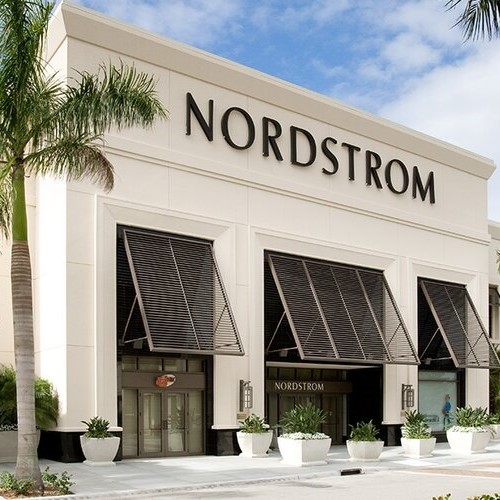
Nordstrom names two new Executive leaders
The Seattle-based department store announced the promotion of Deniz Anders to Senior Vice President and Chief Marketing Officer. Nina Barjesteh, a Senior Executive at DICK's Sporting Goods, will join the company as President, Nordstrom Product Group
Japan Retail: imported inflation troubles retail despite positive signs on consumer mood
Despite positive signs regarding the consumers’ mood, which is leading the BoJ to focus on boosting domestic demand, retailers are facing imported inflation unseen for decades. So, as the yen sinks, it is more accurate to wonder whether Japanese companies’ margins can resist for much longer to fully pass on rising costs to consumers. In addition, the sanctions imposed following Russia’s invasion of Ukraine will certainly take a toll on retail, alongside persistent supply chain disruptions caused by the pandemic, even as the country moves away from those times. Since expenses on energy and food cannot be readily cut, the slack demand for footwear already observed is far from being a surprise
US Retail: consumer confidence collapses while footwear retail slowly loses its drive
Despite the declining trend of the monthly shoe store retail sales and persistent macroeconomic headwinds such as supply chain disruptions and the continuous rise of inflation, US companies are displaying some optimism towards the remaining year. That is not the same as saying there is no caution or concerns on the horizon. The pace of the increase in footwear prices is in fact slowing, suggesting that the pressure of demand might be no more at work in the US. The critical point is that consumer confidence collapsed due to inflation and the war in Ukraine, which might restrain consumer spending this year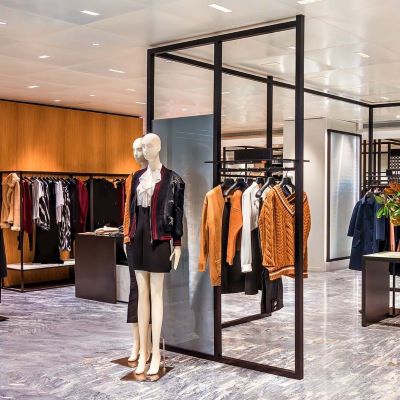
Spain: price is the main factor consumers look at when doing a purchase
According to the Association for Media Research (AIMC), price was the main factor considered by Spanish when buying clothing and accessories last year, followed by quality and comfort
War on Ukraine to negatively impact footwear
This is one of the main outcomes of the most recent edition of the World Footwear Business Conditions Survey. Access the complete report free of charge and read more about the expectations of our panel of international footwear experts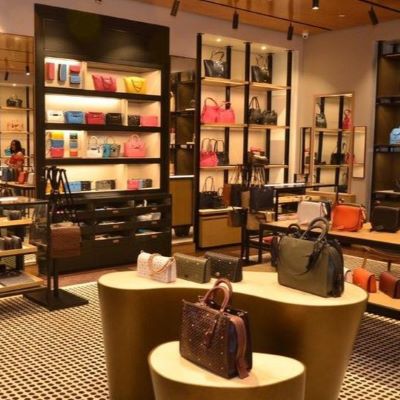
Global personal luxury goods market to reach 360 to 380 billion euros by 2025
Despite the challenges and disruptions that happened at the start of 2022, the global luxury market will reach 360 to 380 billion euros by 2025, following the rebound experienced in 2021
Recovery of the Italian footwear industry is at stake
Footwear exports and household spending increased in the first quarter of 2022, but a slowdown is already expected from the start of the second quarter. War in Ukraine, rising energy costs and raw materials prices are clouding the horizon
Quantity of footwear sold expected to increase
This is one of the main outcomes of the most recent edition of the World Footwear Business Conditions Survey. Access the complete report free of charge and read more about the expectations of our panel of international footwear experts
UK: Consumer confidence drops to a record low
Consumer confidence in the UK dropped in June to its lowest level in 48 years amid soaring prices, the prospect of strikes and rocketing inflation. Mood is gloomier than the one recorded at the beginning of the pandemic
Employment level to increase in the footwear industry
This is one of the main outcomes of the most recent edition of the World Footwear Business Conditions Survey. Access the complete report free of charge and read more about the expectations of our panel of international footwear experts
Spain Retail: sales increase in the first quarter despite tricky macro-environment
Following an abrupt drop in consumers’ confidence in March due to the war in Ukraine, on top of an alarming inflationary climate, Spanish consumers appear to regard the current situation as temporary. In fact, retail sales of clothes and accessories have increased by 19.1% in the entire first quarter of 2022, despite less generous discounts thanks to this year’s cost inflation. Margin protection is certainly at the top of retailers’ agenda now. Meanwhile, the online and physical retail are somehow at a truce
Strong expectations for the health of footwear businesses
This is one of the main outcomes of the most recent edition of the World Footwear Business Conditions Survey. Access the complete report free of charge and read more about the expectations of our panel of international footwear experts-
-

World Footwear Public Calendar
Click here to subscribe an updated version of the calendar displaying the footwear trade shows.
-

-

-

-

Media Partners
Media Partners
-

Fotoshoe

ARS ARPEL

Shoe Intelligence

La Conceria