

US consumers to maintain holiday spending despite economic concerns

US consumers are entering the 2026 holiday season with growing concerns about the economy, but most are determined to continue celebrating, according to market research company Circana
Circana’s 2026 US Holiday Purchase Intentions Study, published on the 4th of November, found that 57% of consumers rated current economic conditions as ‘fair’ or ‘poor’, and 49% expected to spend less due to changes or uncertainty in their financial situations.
Despite these concerns, shoppers are adjusting their spending rather than abandoning their holiday purchases altogether. Almost three-quarters of them plan to adopt money-saving strategies, such as buying products that are on promotion (30%), redeeming rewards points (19%), choosing store-brand products (18%), and making greater use of loyalty programmes (18%).
Consumers are also preparing in advance by avoiding impulse purchases (23%), spreading their gift shopping throughout the year (18%), and setting aside a dedicated holiday budget (17%).
At the same time, the findings suggest that consumers are not eliminating discretionary spending altogether. Holiday shoppers who rated their personal financial situation as ‘fair’ or ‘poor’ were more likely than those in a better financial position to plan to buy gifts for themselves.
“Consumers may not feel better about the economy, but they are taking deliberate steps to manage uncertainty. They’re creating flexibility in their budgets while still making room for the traditions, celebrations, and occasional treats that make the holiday season meaningful. Consumers aren't abandoning the holidays. They’re becoming much more deliberate about how they afford them”, commented Kiara Barrett, head of global thought leadership at Circana.
For retailers and manufacturers, understanding consumer sentiment is just as important as understanding consumer spending, points out Circana. Although shoppers remain value-conscious, the research indicates that they are looking for balance rather than just cutting back.
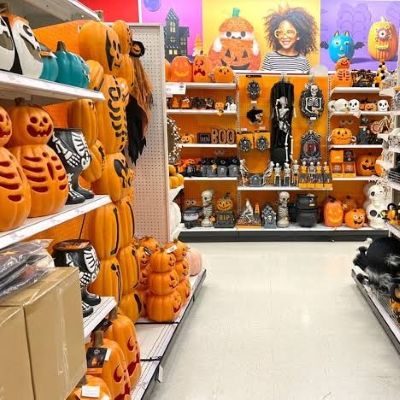
Image Credits: nytimes.com
Related news





Related Events
Related Organizations

-
-

World Footwear Public Calendar
Click here to subscribe an updated version of the calendar displaying the footwear trade shows.
-

-

-

Media Partners
Media Partners
-

Shoe Intelligence

SHOES-MAGAZINE.COM

Fotoshoe

UNIT Publishing House