


Italian footwear turnover falls by 2.7% as exports weaken

The Italian footwear sector experienced a slowdown in exports in the first quarter of 2026, with turnover declining by 2.7%, despite a modest recovery in domestic consumption
“Turnover is down 2.7%, while exports point to widespread weakness, with an overall decline of 1.6% in the first three months and even sharper contractions in non-EU markets”, said Giovanna Ceolini, President of Assocalzaturifici.
According to the economic bulletin prepared by Centro Studi Confindustria Accessori Moda on behalf of Assocalzaturifici, exports accounted for around 3 billion euros of total turnover between January and March, representing 90% of the total. This represents a 1.6% decrease in value and a 3.6% decrease in volume compared to the same period in 2025.
France remained Italy’s leading export destination during the period, with exports increasing in value by 6%, despite a decline in volume. Meanwhile, exports to Germany dropped by 10% and exports to the Middle East fell by 33% amid regional conflict. Exports to former Soviet bloc countries also fell by 21%. Shipments to the United States dropped by 7.4%, as the market continued to be affected by additional import tariffs introduced in 2025.
“The international picture continues to be marked by unpredictability, driving up costs and slowing our buyers’ purchasing decisions. Rising raw material and energy costs are a further cause for concern”, highlighted Ceolini.
However, during the quarter, Italian households spent 1.28 billion euros on footwear on the domestic market, which was an increase of 1.7% in value and 2.1% in volume year-on-year. This increase was mainly driven by women’s footwear and trainers, with the latter accounting for 41% of total consumer spending on footwear.
Overall, the sector continued to face pressure regarding production and employment. During the first quarter, the number of active footwear manufacturers fell by 85, while employment declined by 808 compared to the end of 2020. Despite easing from the previous year’s peak, the use of short-time working schemes remained well above pre-pandemic levels.
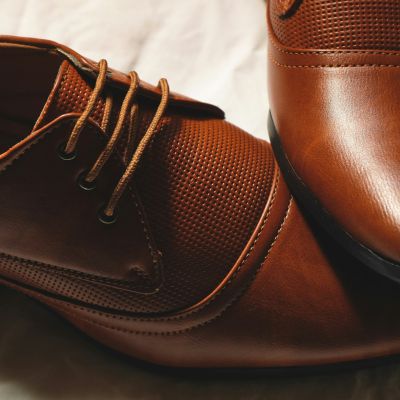
Image Credits: Emma Fabbri on Unsplash
Related news




Related Events
Related Organizations

-
-

World Footwear Public Calendar
Click here to subscribe an updated version of the calendar displaying the footwear trade shows.
-
-

-
-

Media Partners
Media Partners
-

UNIT Publishing House

Shoe Intelligence

Shoes Report

Fotoshoe