


German footwear sales remain subdued in the first half
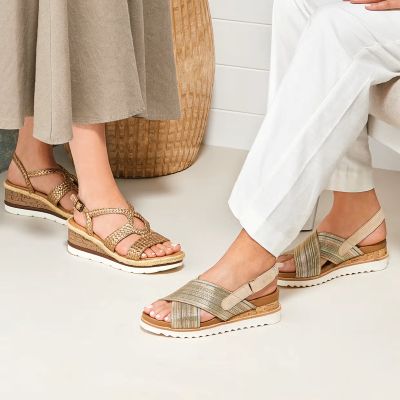
The footwear market in Germany remained subdued in the first half of 2026, as weaker domestic sales and declining employment continued to put pressure on manufacturers
According to figures released by the Federal Association of the German Footwear and Leather Goods Industry (HDS/L), sales by German footwear manufacturers decreased by 2.4% year-on-year between January and June, totalling 1.14 billion euros. Domestic sales declined by 2.8% to 903 million euros, whereas foreign sales were more resilient, dropping by just 0.8% to around 242 million euros.
Employment also decreased. Among footwear companies with 50 or more employees, the workforce fell by 3% to 8,943 during this first half, compared to over 9,200 during the same period of 2025. HDS/L estimates that approximately 15,500 people are employed in the German footwear industry, including smaller companies.
Additionally, price pressures persisted, with producer prices for footwear rising by 1.5% year-on-year in the first half of 2026, while consumer prices for shoes increased by 1.2%.
Exports
Between January and June, Germany exported 191.2 million pairs of shoes, worth 5.3 billion euros. This represented a 0.4% decline in volume and a 0.7% decline in value compared to the same period a year ago. There was a particularly marked decline in leather-upper footwear, with exports falling by 8% year-on-year to 54.1 million pairs.Export performance also varied by destination. Poland remained the largest destination for German footwear exports, with volumes rising by 7.4% to 42.5 million pairs in the first half of 2025 compared to the same period the previous year. However, exports to several major EU markets, including France, Italy and Spain, declined.
However, the US market moved in the opposite direction, with footwear exports from Germany to the United States rising by 22.6% year-on-year to 11.9 million pairs in the first half of the year.
Imports
Imports fell more sharply. In the first half of the year, Germany imported 366 million pairs, which was 6.8% fewer than the same period a year earlier. The value of these imports also dropped, by 9.8%, to 6.1 billion euros. The decline extended to footwear with uppers made of leather, plastic and textiles.Nevertheless, China remained Germany’s main footwear supplier during this period, accounting for 42.4% of imported pairs. Imports from China fell by 3.5% year-on-year to 155.2 million pairs, while shipments from Vietnam dropped by 13%, and those from Indonesia by 7.1%. In contrast, imports from India increased by 12.8%, while those from Myanmar rose by 7.9%.
Among European suppliers, Portugal bucked the downward trend. Imports of German footwear from Portugal increased by 2.6% to 7.7 million pairs, whereas imports from Italy fell by 17.5% and those from Spain dropped by 14.4%.
Outlook
HDS/L expects conditions to remain challenging in the coming months. “Subdued consumer spending, high-cost structures, geopolitical tensions and ongoing trade conflicts continue to weigh on manufacturers and brands”. Companies are also “facing rising regulatory requirements and increasing pressure to keep their products competitive in an international market”.Regulation is another concern. Germany’s planned implementation of the revised EU Waste Framework Directive is expected to introduce an extended producer responsibility scheme for textiles and footwear, which will give manufacturers and brands additional financial and organisational obligations relating to the collection and management of used products.
The organisation highlighted that the footwear the industry supports greater circularity, but is calling for harmonised implementation with limited additional bureaucracy.
Image Credits: petersheppard.com.au
Related news




Related Events
Related Organizations

-
-

World Footwear Public Calendar
Click here to subscribe an updated version of the calendar displaying the footwear trade shows.
-

-

-
Media Partners
Media Partners
-

SERMA

UNIT Publishing House

Shoes Report

La Conceria