


FAIST Voices: meet MIND
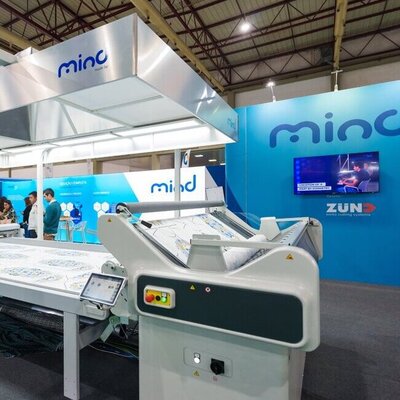
Under the FAIST project, the Portuguese company MIND is leveraging its industrial CAD/CAM expertise to create product development, smart technologies and organisational and management tools focused on the footwear and related sectors
FAIST (Agile, Intelligent, Sustainable and Technological Factory) is a multi-partner project with more than 40 actors across manufacturing, technology and research, designed to push the footwear and leather goods sector into a more digital, efficient and competitive era. It runs from June 2022 to June 2026 with approximately 50 million euros of investment.
MIND in focus
Founded in 1997, MIND is a Portuguese developer of industrial CAD/CAM (Computer-Aided Design/Computer-Aided Manufacturing) and information-management solutions with a long-standing relationship with the footwear sector. The company is organised into three business units.
The Information Management unit serves the national public sector with planning and permitting software. The Industrial Systems (SIP) unit resells software and hardware for domestic manufacturers in footwear, leather goods, apparel, automotive, upholstery, graphics and packaging. Lastly, the Industrial R&D (IDI) unit develops CAD/CAM applications for industry, operating in Portugal and abroad.
Numbers
Ricardo Carranca, Industrial R&D Director at MIND, shared that “international activity through IDI accounts for roughly 70% of that unit’s revenue and about a quarter of company turnover”, with key markets including the United States, Switzerland, France, Italy, Poland, Germany, the United Kingdom, Brazil, China, Japan and South Korea.
In addition, “footwear represents around 30% of revenues across IDI and SIP, rising to about 40% when leather goods are included”. MIND also supplies 2D/3D CAD for product engineering, manages automated cutting cells (nesting and cut control) and integrates with factory systems, supported by certified quality and innovation processes.
Under the FAIST
MIND is advancing several initiatives within the FAIST consortium, which can be divided into three categories: product development, smart technologies, and organisational and management tools.
Product development outcomes include MindCAD 3DPrinting, a MindCAD 3D module for Footwear that turns sole designs into watertight, optimised meshes (Stereolithography/Object format), supports multi-materials and tactile textures, and works with industrial printers, reducing physical prototypes and speeding a more sustainable, digital-first workflow.
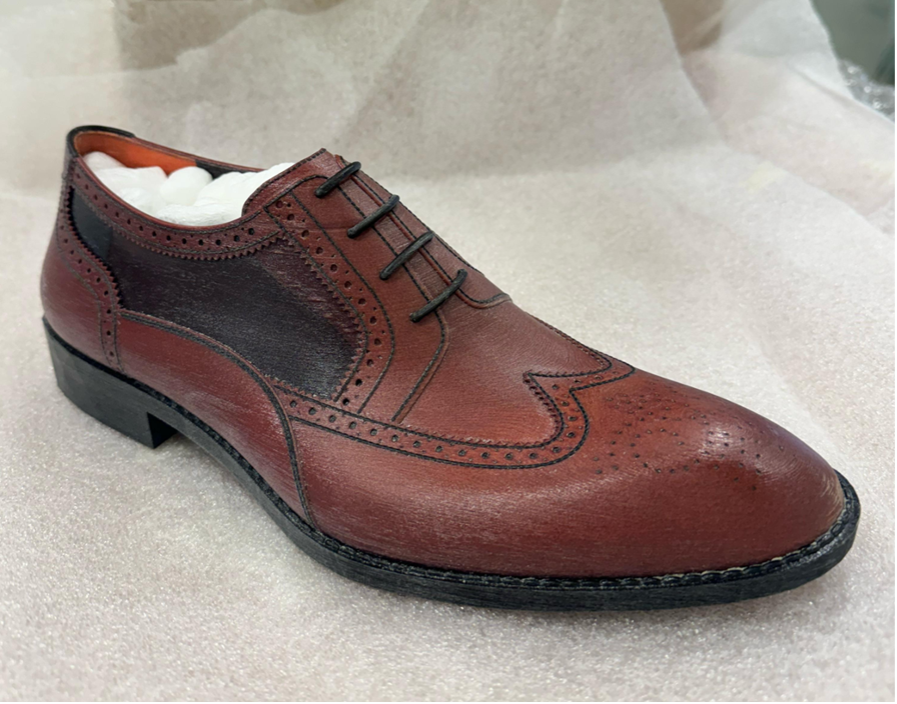
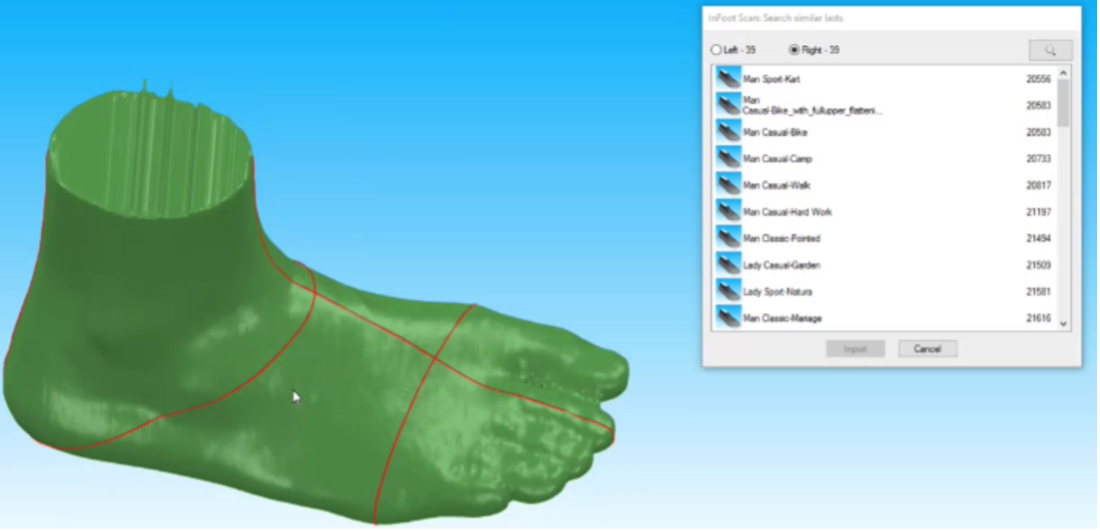
Another product development solution focuses on “extreme customisation”. It enables orthopaedic-grade fit without making a unique last for each customer. In MindCAD Last, 3D foot scans are turned into printable “supplements” that attach to standard lasts, reducing costs and lead times while improving fit for orthopaedic and semi-orthopaedic footwear.
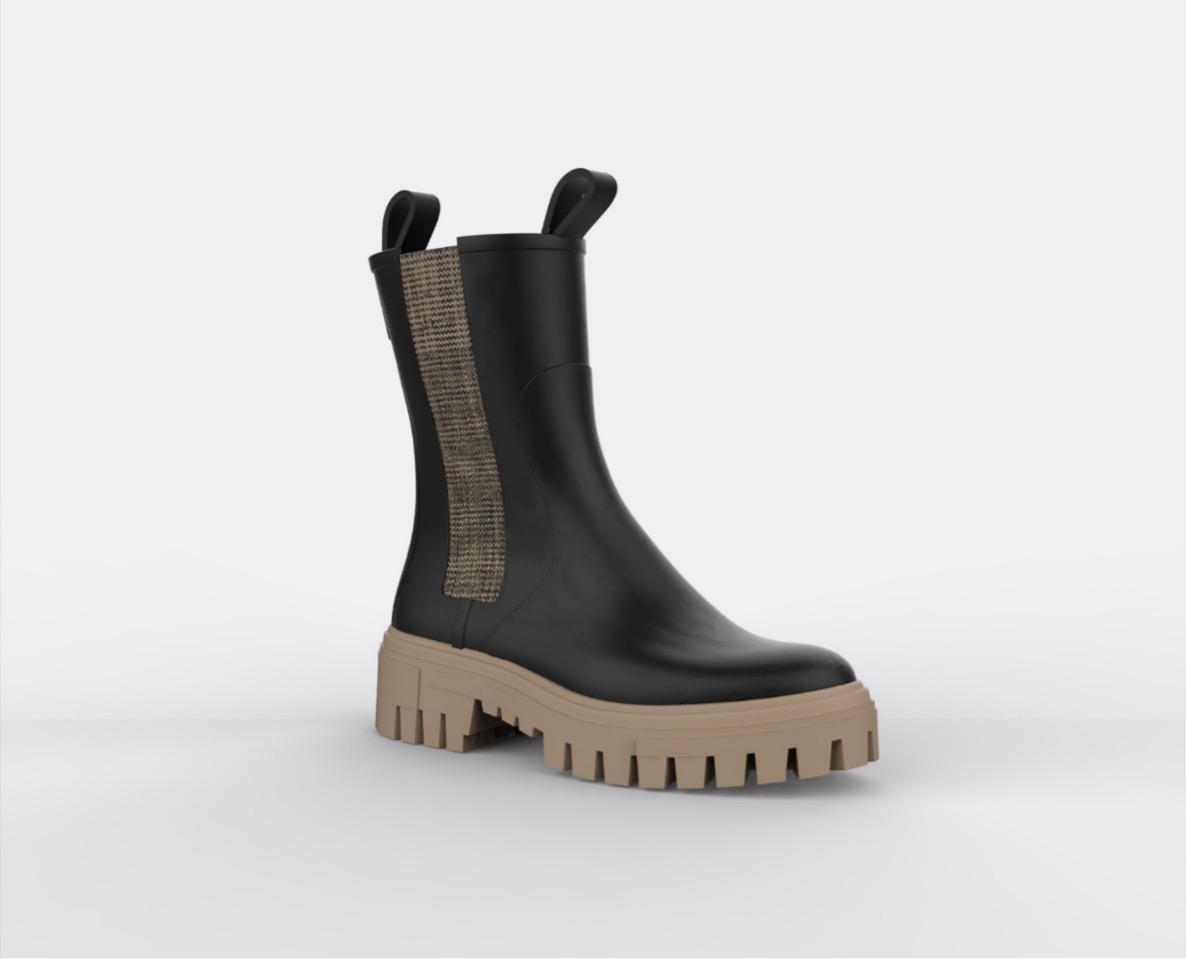
Moreover, MindCAD 3D’s online-offline render brings high-fidelity visuals into the design flow. Using the cycles engine with a GPU (graphics processing unit) for acceleration and PBR (physically based rendering) textures (including scanned materials), designers switch seamlessly between real-time previews and final validation renders. The result is realistic imagery for reviews and digital catalogues, requiring fewer physical samples.
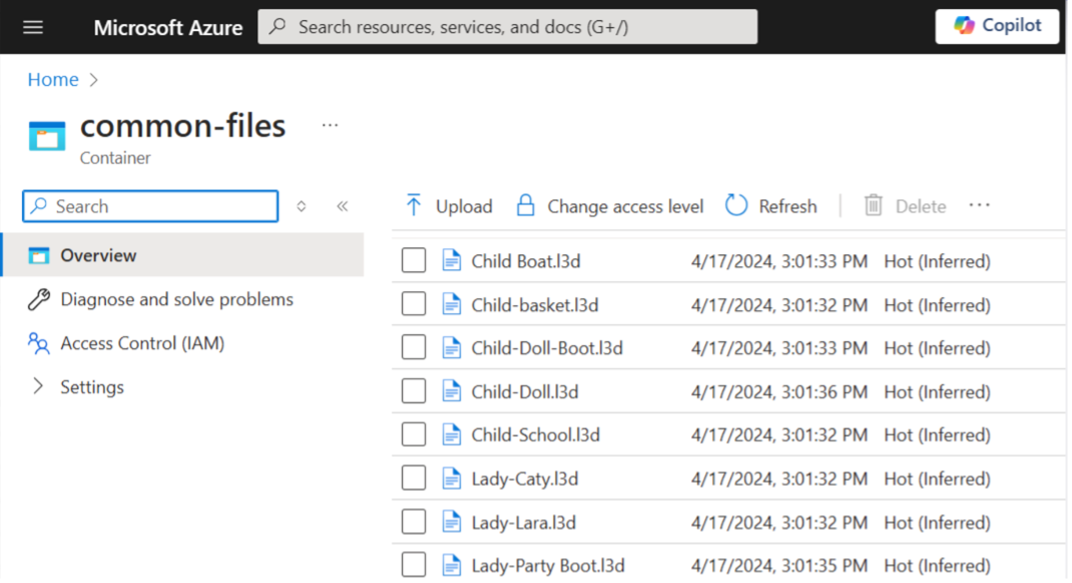
Built on Microsoft Azure, MindCLOUD supports real-time co-working, version control and file services, with a Unity/WebAssembly 3D viewer for visualising, annotating and approving designs. Centralised content, variant management, and PLM (Product Lifecycle Management) integration streamline distributed workflows and eliminate the need for local installations.
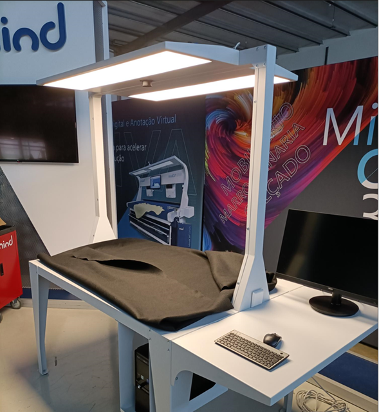
Another product development initiative is the Mind PartScan. Focused on leather, it digitises leather parts into precise vector graphics via calibrated camera capture and a guided workflow, eliminating manual tracing. It outputs open formats for seamless integration with CAD/CAM and cutting.
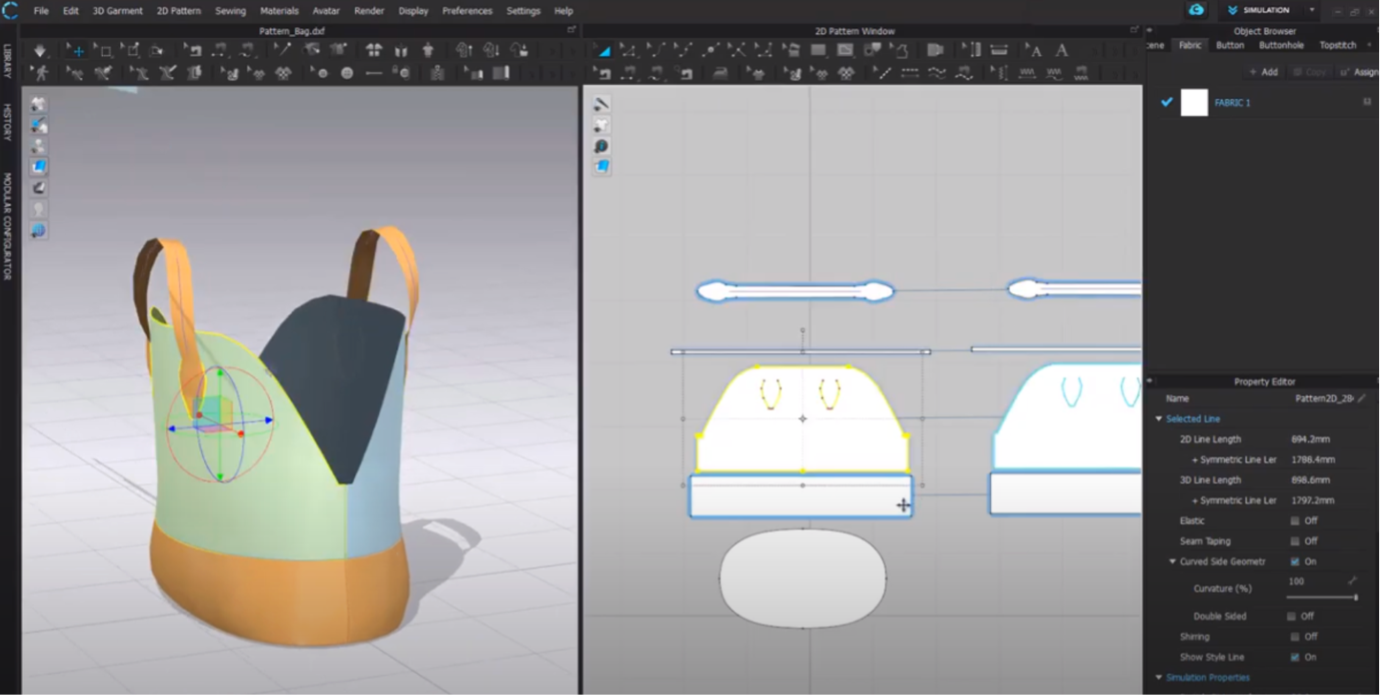
Dedicated to bag and leather goods design, the Mind BagDesign is a 3D CAD tool that pairs sketch-style creation with precise pattern engineering. It delivers real-time visualisation, 2D patterns and production data, and, via MindCLOUD and Mind PDM (Product Data Management), supports collaborative, faster, less wasteful prototyping.
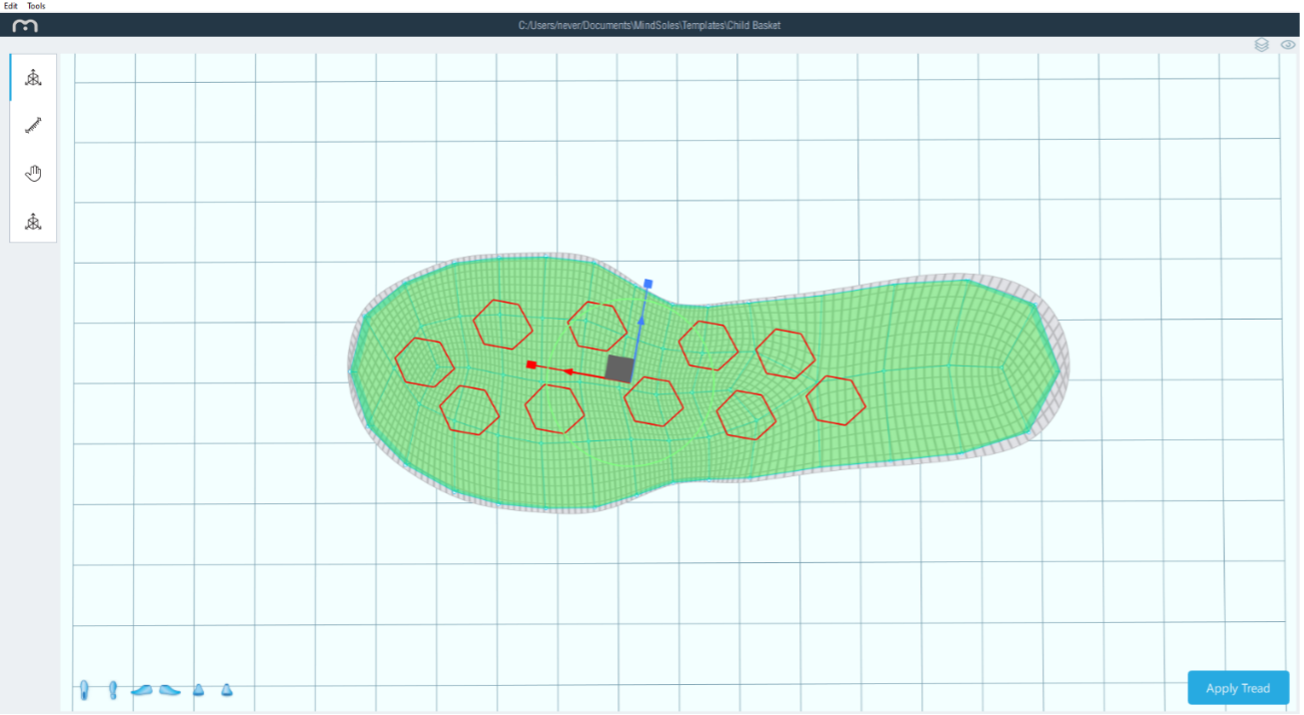
The last product development MindCAD module is Mind Soles, focused on production-ready sole design. It pairs subdivision-surface modelling with parametric controls for real-time refinement, along with tools such as projection, extrusion, and loop cuts, with multi-material views. Designs or scans are exported as clean data for injection moulding and other industrial workflows.
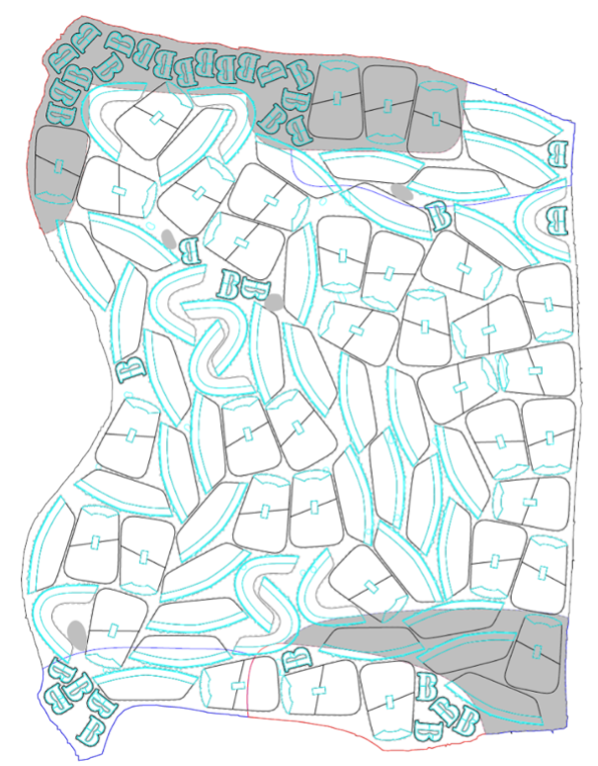
Regarding smart technologies, MIND is developing an automatic nesting engine delivered as a cloud-ready “nesting-as-a-service” that runs online or offline. It uses AI-driven exploration of layout parameters (area, perimeter, convex hull and ratios) to minimise material waste, with real-time reporting, configurable engines and PDM integration for factory use. Operational tests indicate 0.5-2% yield gains, reducing costs and cut-room waste.
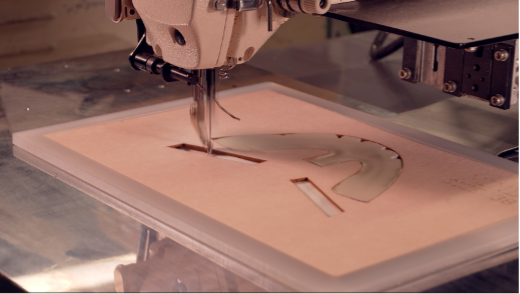
Another such initiative is the Mind SewingStudio, a modular application that automates sewing for footwear and leather goods, generating pallets and stitch paths (including ornamental) with on-screen validation.
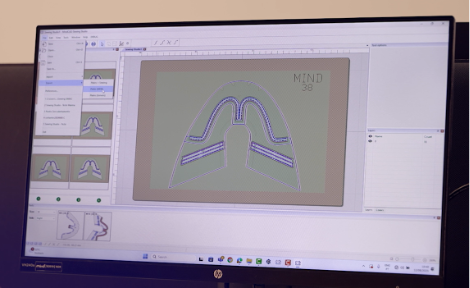
It supports many machine integration extensions, reducing setup time, improving flexibility and paving the way for semi-automated sewing cells.
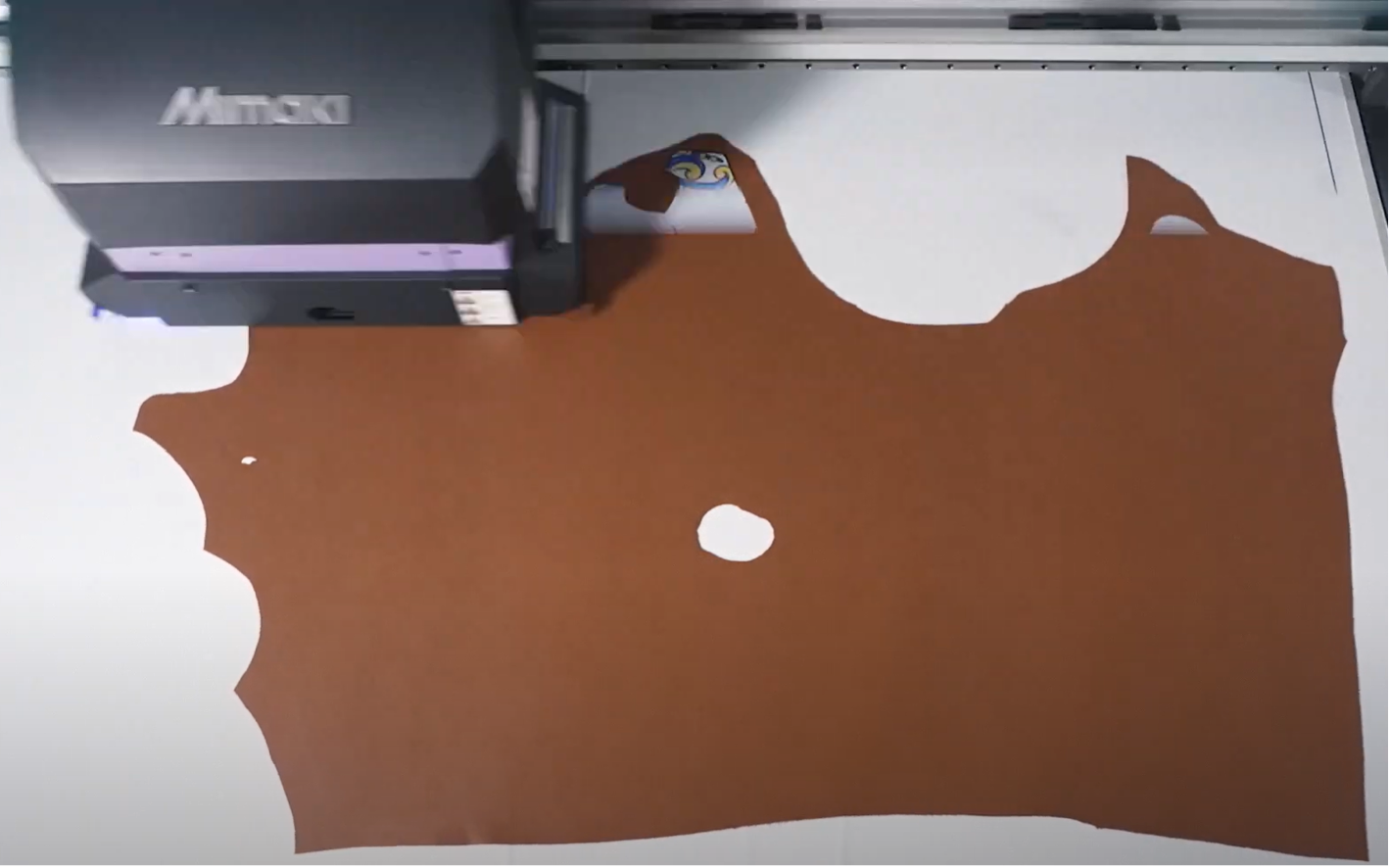
The last of the smart technologies outcomes is the Print & Cut and Pattern Matching solution. It auto-detects repeats and irregular contours to align parts and nest accurately on printed or patterned materials.
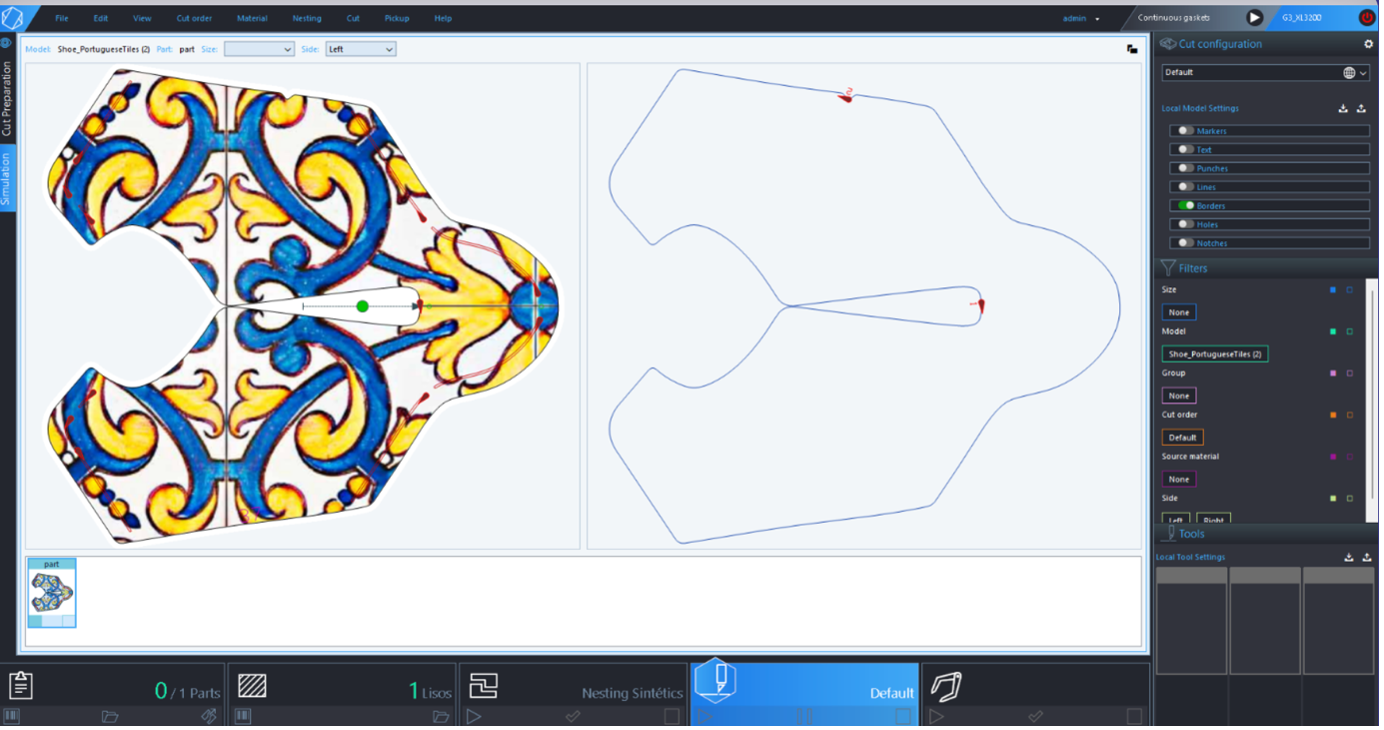
Integrated with MindCUT Studio and Zünd cutters, it syncs print-and-cut, uses vision to skip defects, and lifts precision and customisation.
Organisation and management tools are also being developed as part of the FAIST project. Mind PLM (Product Lifecycle Management) centralises product lifecycle data across design, production and the supply chain, adding configurable workflows for approvals, version control and change management.
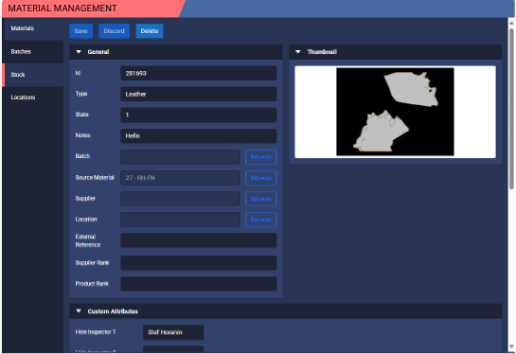
It offers API-first integration with existing systems, supports materials and stock records, issues notifications, and links design to costing, so teams can gain scalable, interoperable governance without disrupting current tools.
FAIST Outcomes
The use of the above-cited tools is associated with real gains in efficacy and efficiency. For instance, nesting efficiency is projected to improve by up to 3 percentage points, resulting in equivalent raw-material savings and fewer defective pieces.
In modelling, MIND reports cases where sample development time fell by around three-quarters, from eight weeks to roughly two weeks, to secure design approval. Target outcomes include shorter sample lead times, fewer physical prototypes, higher nesting yield, improved cutting-cell OEE (Overall Equipment Effectiveness), and faster, more reliable picking.
Commercial responsiveness should rise as “publish-to-make” links online product models to execution. Indicative KPIs (Key Performance Indicators) include concept-to-sample lead time, right-first-time rates in engineering, nesting and material utilisation, cut accuracy and defects, order-to-cut latency and user adoption of the web-enabled CAD stack.
Visit the MIND website for more information.
Explore more about the FAIST project here.
Image Credits: MIND and portugaltextil.com

Related news



Related Organizations

-

-

World Footwear Public Calendar
Click here to subscribe an updated version of the calendar displaying the footwear trade shows.
-

-

-

Media Partners
Media Partners
-

Shoes Report

MPA Style

UNIT Publishing House

La Conceria