


Debate grows over Germany’s textiles EPR scheme
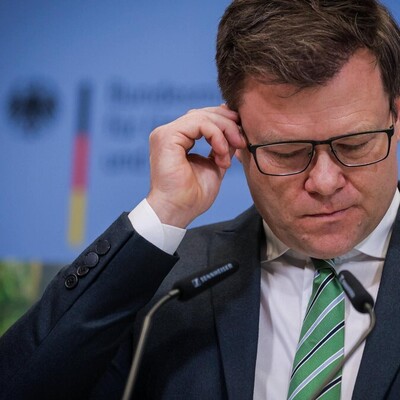
The HDS/L warns that folding footwear into a textiles framework overlooks the greater material complexity of shoes and could weaken competitiveness through higher compliance burdens and uncertainty
“The German textiles law published in late March places a considerable burden on our footwear manufacturers and brands”, criticises Torben Schütz, Managing Director of the Federal Association of the Footwear and Leather Goods Industry (HDS/L), in a press release.
He continues: “This is not a measure to promote the international competitiveness of our companies. Instead of reducing bureaucracy, it imposes significant burdens and, further, incalculable costs on our members. This is anything but a business-friendly, efficient policy”.
According to the HDS/L, the announced law fails to address the problems of fast fashion. A central concern raised by the association is that footwear should not be treated the same as clothing within a single framework, given differences in product construction.
“You cannot compare shoes and clothing on a one-to-one basis. The material compositions are much more complex in shoes”, Schütz stated, adding: “What do underpants, t-shirts and sweaters have to do with over-knee boots?”
EPR Scheme
Germany’s Environment Minister Carsten Schneider has presented key points for an Extended Producer Responsibility (EPR) scheme for textiles, laying the groundwork for a potential new national textiles law.
The announcement comes as the CDU/CSU and SPD, German political parties, signal a broader reform agenda for Germany, including what they describe as a limited “reform window” running into the summer.
Image Credits: thueringer-allgemeine.de
Related news




Related Events
Related Organizations

-
-

World Footwear Public Calendar
Click here to subscribe an updated version of the calendar displaying the footwear trade shows.
-

-

-
-

Media Partners
Media Partners
-

SERMA

Revista del Calzado

La Conceria

MPA Style