


BioShoes4All sets new benchmark for sustainable footwear innovation
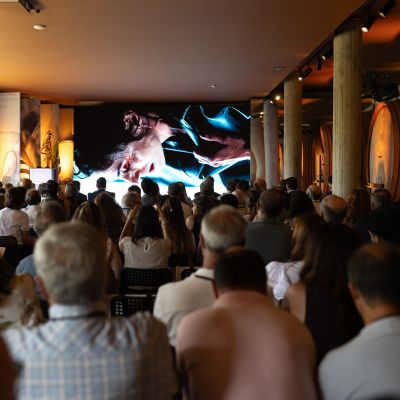
The Portuguese footwear industry presented the final results of the BioShoes4All project, marking the conclusion of the sector’s largest collaborative project to date in the fields of bioeconomy, sustainability, and industrial innovation
On the 22nd of June, the closing event of the BioShoes4All project took place in Felgueiras, Portugal. Portugal’s Minister of Economy was in attendance, and the event brought together companies, technology centres, universities and public institutions involved in the initiative, which was funded through Portugal's Recovery and Resilience Plan (RRP).
Over more than four years, BioShoes4All brought together 69 partners, mobilised an investment of 60 million euros, and generated more than 200 scientific, technological and industrial outcomes, many of which are already ready for industrial application, further strengthening the international competitiveness of the Portuguese footwear cluster.
According to Luís Onofre, President of APICCAPS, “BioShoes4All has demonstrated that Portugal is not merely keeping pace with the major transformations taking place in the global industry. Portugal is helping to lead them”. He added: “The project’s greatest achievement is not only the materials developed, but the technologies also demonstrated or the solutions created. Our greatest accomplishment is the collective capability we have built together”.
He concluded: “BioShoes4All is coming to an end, but it leaves us with much more than results. It leaves us with a better-prepared industry, a stronger collaborative network and the confidence that we can continue to lead the transformation of our sector. The responsibility is now ours: to build a stronger, more sustainable and more competitive industry for future generations”.
Innovative Solutions
Among the project’s most significant innovations is a new generation of biomaterials, including leather processed with plant-based extracts and chromium-free alternatives, biopolymers, composites produced from cork, agricultural and marine residues, innovative textiles developed from olive stones and chestnut waste, as well as new biobased soles, insoles and footwear components.
The project also enabled the development of a new generation of environmentally friendly footwear and leather goods with a lower environmental footprint, mono-material products that are easier to recycle, lighter components and more efficient manufacturing processes, successfully combining sustainability, design, comfort and high technical performance.
In the field of the circular economy, BioShoes4All developed solutions to reincorporate leather, polymer, rubber and textile waste into new products, create new composite materials, recover post-consumer materials and promote industrial symbiosis between different sectors, extending material life cycles while reducing the consumption of natural resources.
BioShoes4All also accelerated the industry’s technological transformation through the implementation of smart factories, artificial intelligence, machine vision, the Internet of Things, digital twins, robotics, intelligent material cutting, advanced quality control systems and new manufacturing processes using biomaterials, making production more efficient, flexible and sustainable.
Ultimately, the project exceeded its original targets. It completed 46 research lines, developed more than 50 new low-impact products, implemented 25 industrial pilot lines, created eight digital platforms and databases, established seven industrial symbioses, and delivered dedicated training and capacity-building programmes for companies.
“BioShoes4All demonstrates that the sustainable bioeconomy is both a credible and achievable pathway for transforming the Portuguese footwear cluster and represents a strategic vision for the future of the sector”, said Maria José Ferreira, the project’s coordinator. “Its legacy strengthens the Cluster’s capacity to continue developing high value-added solutions, positioning Portugal as a leading partner in building a more sustainable, resilient and innovative European bioeconomy”.
On a separate occasion, European Commissioner Valdis Dombrovskis praised the initiative as a model for Europe’s future. He highlighted the fact that it invests in biomaterials, digital technologies, resource efficiency, and collaboration between research and industry, and said that this is exactly the kind of innovation needed to boost European competitiveness.
Source and Image Credits: portugueseshoes.pt
Related news

Related Organizations

-
-

World Footwear Public Calendar
Click here to subscribe an updated version of the calendar displaying the footwear trade shows.
-

-

-
-

Media Partners
Media Partners
-

SERMA

Shoes Report

MPA Style

SHOES-MAGAZINE.COM