


Business coalition urges EU to fast-track deemed importer rules

A business coalition that includes the European Footwear Confederation (CEC) is urging the EU to implement deemed importer rules more quickly, as delays would lead to continued unfair competition in e-commerce
In a joint statement, representatives from sectors including textiles, footwear and retail expressed growing concern about the increasing number of low-value goods entering the EU via online platforms. The coalition argues that the introduction of ‘deemed importer’ obligations in 2028 will be too late to address the mounting challenges.
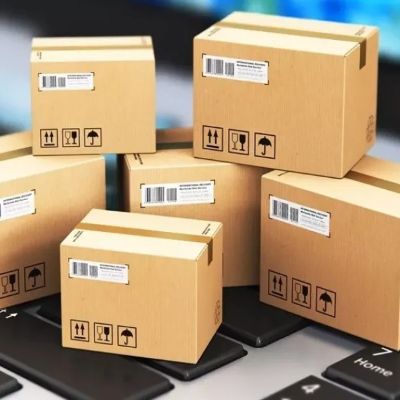
The industry groups emphasised that the import of approximately 5.8 billion parcels in 2025 alone placed unprecedented pressure on customs systems and regulatory enforcement, given that many of these goods failed to comply with EU regulations. Widespread issues have been cited, including VAT fraud, breaches of health and safety standards, intellectual property violations, and misleading product claims.
They argue that these practices create unfair competition for businesses that follow EU regulations and endanger consumer safety. “Such unfair trade practices, linked to small consignments, are corroding entire industrial value chains, eroding our economic strength and resilience and put the consumer health at risk. Additionally, they threaten shops all over the EU, accelerating the depopulation of town centres”, reads the statement.
While welcoming the EU’s plans under the revised Union Customs Code to introduce a ‘deemed importer’ model that holds platforms responsible for ensuring customs duties and VAT are paid at the point of purchase, as well as for meeting non-financial obligations, the coalition insists that waiting until 2028 is unacceptable.
Instead, the group is calling for immediate action in the form of new regulations requiring foreign sellers to appoint a legally responsible representative within the EU. They argue that this measure would be technically feasible in the short term and would help to ensure accountability for non-compliant products.
The statement also highlights the importance of enforcing Extended Producer Responsibility (EPR) obligations, particularly for online marketplaces and third-country sellers. The coalition says that stronger enforcement mechanisms are needed to prevent ‘free-riding’ and ensure that products meet EU standards on packaging, electronic waste, batteries and textiles.
Source and Image Credits: cec-footwearindustry.eu
Related news





-

-

World Footwear Public Calendar
Click here to subscribe an updated version of the calendar displaying the footwear trade shows.
-

-

-
Media Partners
Media Partners
-

La Conceria

Shoe Intelligence

Schuhkurier

ARS ARPEL