


Cotance and industriAll Europe outline roadmap for the EU leather sector
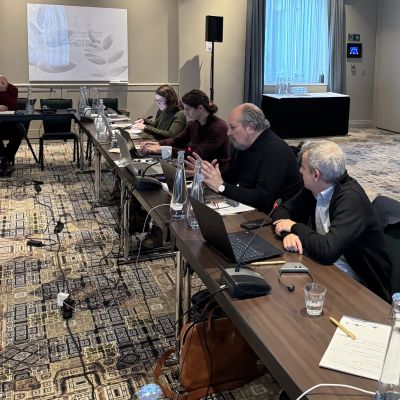
Cotance and industriAll Europe have adopted a new Social Dialogue Work Programme 2026-2030. This is aimed at strengthening the skills, sustainability and competitiveness of the EU leather industry
On December 2025, representatives of European leather employers and workers met in Brussels with the European Commission to assess the challenges of 2025 and formally adopt the EU Leather Social Dialogue Work Programme for 2026–2030 and the Action Plan for 2026. The meeting took place against the backdrop of a critical period for EU industrial sectors, where there is a strong need for investment and strategic balance to foster competitiveness and rebalance EU industrial policy.
The leather sector, which is a key part of the EU Textiles Ecosystem, is also feeling the impact. “We must address the structural challenges that threaten our competitiveness. The European leather industry remains a sizeable, strategic sector — 1,500 companies, 30,000 direct jobs, and a unique role in the circular bioeconomy. But we must be recognised, consulted, and supported accordingly”, said Cotance Secretary General, Gustavo González-Quijano.
The newly adopted roadmap is based on three pillars – People, Planet and Prosperity – and sets out a shared commitment to strengthening the sector’s skills, working conditions and social sustainability, advancing leather’s environmental performance, traceability and science-based policymaking, and reinforcing industrial resilience, innovation and global competitiveness.
The meeting also included discussions with DG GROW and DG EMPL regarding upcoming EU legislation. This included the Textile Labelling Regulation (with proposed EU-wide rules for the authenticity of leather and fur products), as well as the Ecodesign & Digital Product Passport for textile apparel. Other topics covered were the EU Bioeconomy Strategy & Circular Economy Act and the need for an impact assessment on leather under the EU Deforestation Regulation.
Above all, the organisations called for stronger scientific evidence, closer cross-sector cooperation, and the full involvement of the leather industry in EU policymaking. They also called for fair and workable traceability systems to be implemented across the value chain, and for policies that better reflect the role of natural materials in Europe’s green transition.
“This work programme shows that the social partners are ready to drive a just transition, but we need coherent EU action, a level playing field, and investments in skills and quality jobs to make it happen. Through strong social dialogue and our long-standing cooperation with COTANCE, we will continue defending these jobs and shaping an industrial future where workers are respected, protected, and central to Europe’s competitiveness”, commented Judith Kirton-Darling, industriAll Europe’s general secretary.
The leather sector, which is a key part of the EU Textiles Ecosystem, is also feeling the impact. “We must address the structural challenges that threaten our competitiveness. The European leather industry remains a sizeable, strategic sector — 1,500 companies, 30,000 direct jobs, and a unique role in the circular bioeconomy. But we must be recognised, consulted, and supported accordingly”, said Cotance Secretary General, Gustavo González-Quijano.
The newly adopted roadmap is based on three pillars – People, Planet and Prosperity – and sets out a shared commitment to strengthening the sector’s skills, working conditions and social sustainability, advancing leather’s environmental performance, traceability and science-based policymaking, and reinforcing industrial resilience, innovation and global competitiveness.
The meeting also included discussions with DG GROW and DG EMPL regarding upcoming EU legislation. This included the Textile Labelling Regulation (with proposed EU-wide rules for the authenticity of leather and fur products), as well as the Ecodesign & Digital Product Passport for textile apparel. Other topics covered were the EU Bioeconomy Strategy & Circular Economy Act and the need for an impact assessment on leather under the EU Deforestation Regulation.
Above all, the organisations called for stronger scientific evidence, closer cross-sector cooperation, and the full involvement of the leather industry in EU policymaking. They also called for fair and workable traceability systems to be implemented across the value chain, and for policies that better reflect the role of natural materials in Europe’s green transition.
“This work programme shows that the social partners are ready to drive a just transition, but we need coherent EU action, a level playing field, and investments in skills and quality jobs to make it happen. Through strong social dialogue and our long-standing cooperation with COTANCE, we will continue defending these jobs and shaping an industrial future where workers are respected, protected, and central to Europe’s competitiveness”, commented Judith Kirton-Darling, industriAll Europe’s general secretary.
Image Credits: cotance.com
Related news

-
-

World Footwear Public Calendar
Click here to subscribe an updated version of the calendar displaying the footwear trade shows.
-

-

-
-

Media Partners
Media Partners
-

Schuhkurier

SERMA

Shoe Intelligence

UNIT Publishing House