
Register to continue reading for free
Álvaro Sánchez from AEC and FUTURMODA: without components, there is no footwear
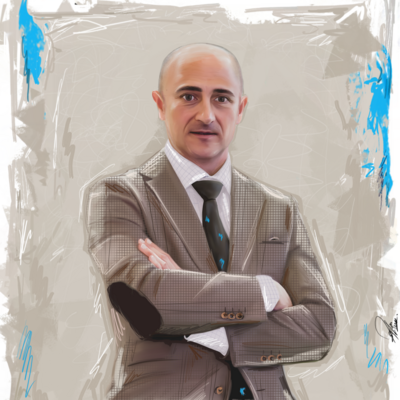
In today’s interview, we spoke to Álvaro Sánchez, CEO of the AEC association and the FUTURMODA trade fair. Among other topics, we talked about the state of the Spanish industry, trends, and the recent challenges encountered by trade fairs
Álvaro Sánchez is the leader of both the Spanish Association of Footwear Components Companies (AEC) and the FUTURMODA trade fair. He brings more than three decades of experience in management and consultancy to the role, including “over 24 years linked to the footwear and footwear components industry”.
The CEO describes his role at AEC as guiding “the representation and defence of the interests of the Spanish footwear components industry”, which he frames as a strategic auxiliary base that supplies “materials, technology, design, innovation, and services” to footwear and leather goods manufacturers.
Beyond AEC, Sánchez highlights his participation in various bodies related to industry, standards and labour relations, demonstrating a broad institutional footprint. This external involvement supports AEC’s focus on many areas, including competitiveness and institutional representation, ensuring the sector’s priorities are reflected in broader policy and technical discussions.
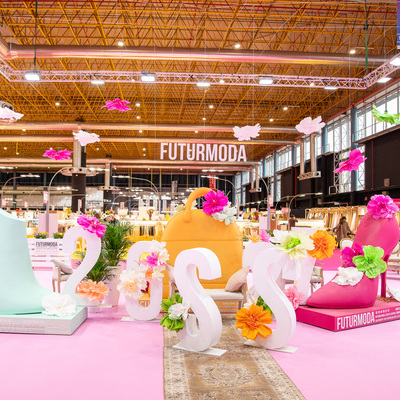
He is also one of the key figures behind FUTURMODA. He positions the fair as “Spain’s leading international trade fair for components, materials, machinery, technology and services for footwear and leather goods”.
As CEO, he says he is responsible for “organising the fair and overseeing any decisions made to ensure its smooth operation every season”, presenting FUTURMODA as a recurring meeting point where the supply base and manufacturing side of the industry can align on product needs, timelines and market direction.
Sector
Turning to the current situation, the Spanish components sector is experiencing a difficult period shaped by “rising costs, stronger regulatory pressure, international competition and geopolitical uncertainty”. According to Sánchez, many firms are operating with “tighter margins”, which is weighing on investment appetite and planning horizons.
Even so, the CEO maintains that the industry remains structurally strong and has shown “a remarkable capacity to adapt, innovate and reinvent itself”. According to him, companies have shifted from being mainly industrial suppliers to becoming strategic partners for brands, expanding their offer beyond inputs to include “a high level of added value”.
Internationalisation is central to this evolution, he notes, with footwear components from Spain being “increasingly recognised for its quality, creativity, Mediterranean design, flexibility and technical know-how”.
Sánchez also stresses that the relationship with footwear manufacturers is now “more strategic than ever” because brands increasingly need “nearby, reliable and technically capable suppliers”.
FUTURMODA
The trade fair’s main value “is that it brings together the entire footwear and leather goods supply chain in one place”. With a wide range of categories, Sánchez believes this concentration in one place is a practical advantage for brands trying to manage multiple development and sourcing needs at once.
Sánchez adds that competitiveness now hinges on many other aspects, including the material, the technical performance of each component, traceability and regulatory requirements and that components and suppliers are therefore crucial to product success and time-to-market.
As a result, the CEO says that brands are increasingly in need of “complete solutions and partners who understand their collections, timings, market pressures and environmental commitments”. In his view, FUTURMODA’s role is to facilitate these connections, arguing that it is “not only a components fair; it is a solutions fair for the future of footwear and leather goods”.
Trends
Buyers want “a combination of all these factors” at once, including new materials, flexibility, sustainability, innovation, speed and supply security. He portrays this as a more complex brief for suppliers, in which product development, compliance and service levels have become interdependent rather than separate requirements.
Regarding materials, he points to the “strong demand” for options offering “new textures, finishes, technical performance, comfort, lightness and aesthetic value”. At the same time, Sánchez notes that flexibility is also essential due to shorter market cycles and more cautious ordering, pushing brands towards “shorter series and faster deliveries” to reduce risk.
Sustainability is now a central requirement, but it must be “credible and demonstrable”, backed by “certifications, technical documentation and compliance with European requirements”. Sánchez summarises this broader shift as “the integration of design, innovation, sustainability, proximity and service”.
Challenges
Trade fairs are changing, and exhibitors and professional visitors “no longer want only a space to show products”. Instead, they expect “quality contacts, useful information, visibility, real business opportunities and an efficient experience”, implying that fairs must demonstrate their value in measurable commercial terms.
He outlines FUTURMODA’s response across several tracks, which includes “consolidating its role as the specialised meeting point” for the value chain, expanding “technical content through the Experts’ Forum” and trend presentations, and strengthening sessions on “sustainability, digitalisation, regulation, innovation and new materials”.
Operationally, Sánchez shares that the fair is continuously improving the visitor experience by making information more accessible, clearly identifying exhibitors, promoting business agendas and attracting national and international buyers.
He states that the objective is to keep FUTURMODA “specialised, international and closely connected to the real needs of the market”. According to Sánchez, the sector must gain scale, commit to differentiation and rely on policies that recognise that “without components there is no footwear”.
The next edition of FUTURMODA is scheduled for the 14th and 15th of October. You can find more information here.
Image Credits: Art by Sofia Pádua